
Clover Time Grimoire Tier List: PvE Roles & Rarities
Compare ten documented Clover Time Grimoire kits by PvE role and rarity. Shadow remains unranked; this is an editorial comparison, not a current complete roster.
FAQ
Does this Grimoire ranking cover PvP?
Are Fire and Explosive Flame the same book?
Which rarity group contains Poison?
Why does an Uncommon book appear in Tier II?
Are books ordered within Tier II or Tier III?
What does this Grimoire tier list cover?
This is an editorial PvE comparison of ten documented kits, based on source material reviewed on October 8–9, 2026. It weighs approach tools, area coverage, control, and kit flexibility. Acquisition rarity is a separate field, and the row order inside a tier does not add another ranking. We have not measured current damage or tested these placements in PvP.
The official game title now mentions Shadow Grimoire, and the public Clover Time Trello contains a Shadow entry. That entry had no ability description when checked on October 13. Shadow is unranked here; this table is not a claim to cover the complete current roster.
The underlying references include Destructoid’s comparison and Gamezebo’s Grimoire list, alongside the public board’s kit and rarity cards. Their placements differ, especially for Poison, Ice, and Battle Lightning. Our grouped priorities below are editorial decisions, not an official tier list or a copy of one publisher’s order. The October 13 attempt to reread the two publisher pages encountered verification screens, so their old evidence has not been treated as a fresh balance check.
Which Grimoires lead this Clover Time PvE tier list?
Anti Magic and Poison lead this PvE comparison: one centres on sword pressure, movement, and a counter, while the other combines projectiles, continuing area damage, and a clone. Ice, Explosive Flame, and Battle Lightning form the next group. Treat these tiers as editorial priorities for comparing kits and choosing what to practise.
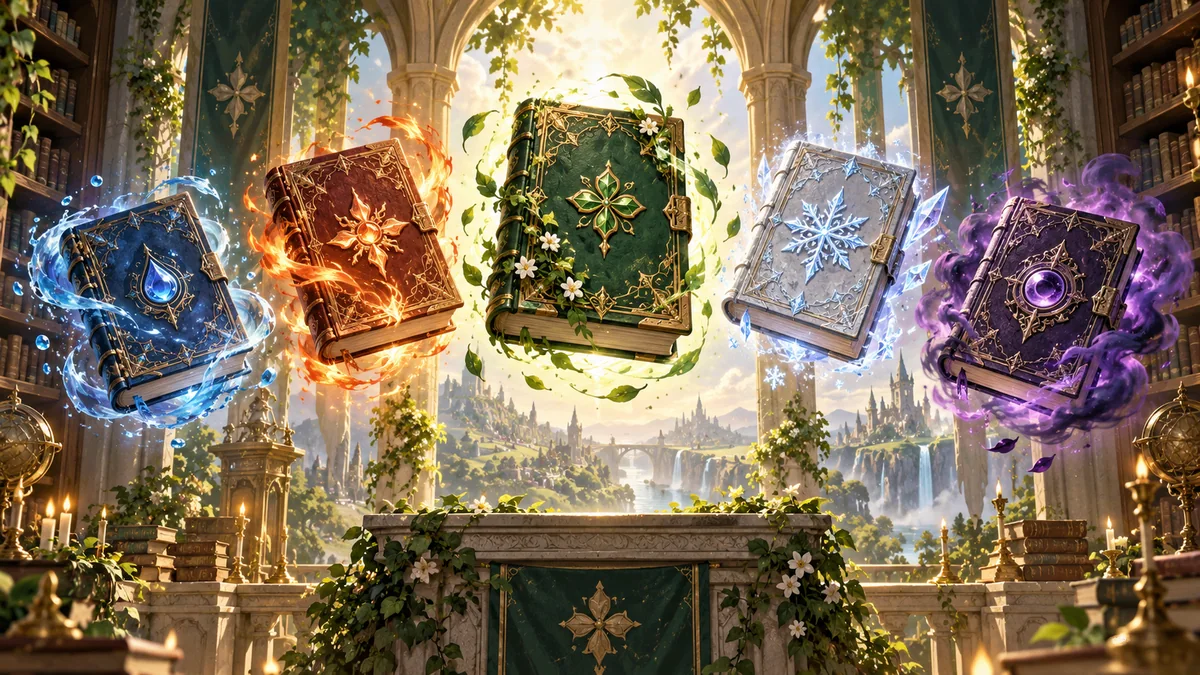
Original concept illustration.
| PvE tier | Book | Reason to compare it |
|---|---|---|
| I — Leading choices | Anti Magic | Sword attacks, approach tools, and a counter provide different answers to close combat. |
| I — Leading choices | Poison | Projectiles, damaging mist, and a clone offer several ways to handle an encounter. |
| II — Strong alternatives | Ice | Area attacks and freezing effects give it a control-oriented role. |
| II — Strong alternatives | Explosive Flame | A broader fire kit gives it more spell options than common Fire. |
| II — Strong alternatives | Battle Lightning | A lightning-focused alternative to compare for a magic-oriented character. |
| III — Progression options | Chain | Control tools add utility when managing a target. |
| III — Progression options | Snow | Summons provide an additional way to approach farming. |
| III — Progression options | Water | A book to develop while progressing through the opening game. |
| III — Progression options | Earth | A progression kit with wall and launching attacks. |
| III — Progression options | Fire | An early fire kit, distinct from Explosive Flame. |
Tier II and III are unordered within each group. The table prioritises PvE kit roles; it does not assign numerical damage scores or PvP placements.
How does acquisition rarity differ from a PvE tier?
Rarity groups books within the acquisition system, while the tier table compares how their kits fit PvE encounters. Ice is Uncommon but sits in the strong-alternative group; Anti Magic is Mythic and offers a sword kit. Use both pieces of information instead of reading rarity as a direct measure of combat performance.
| Tower rarity | Books in that group |
|---|---|
| Common | Earth, Fire, Snow, Water |
| Uncommon | Ice |
| Rare | Chain |
| Epic | Explosive Flame, Poison |
| Legendary | Battle Lightning |
| Mythic | Anti Magic |
Fire and Explosive Flame are separate entries. The beginner guide explains the tower marker and the Mana Crystal resource used for Grimoire rolls.
Why choose Anti Magic or Poison for different encounters?
Choose Anti Magic for a sword-focused comparison involving close-range attacks, approach moves, and responses to pressure. Compare Poison when you want projectiles, damaging mist, an explosion, and clone control. The important decision is how those tools fit your positioning and targets, including whether an encounter involves one enemy or several.
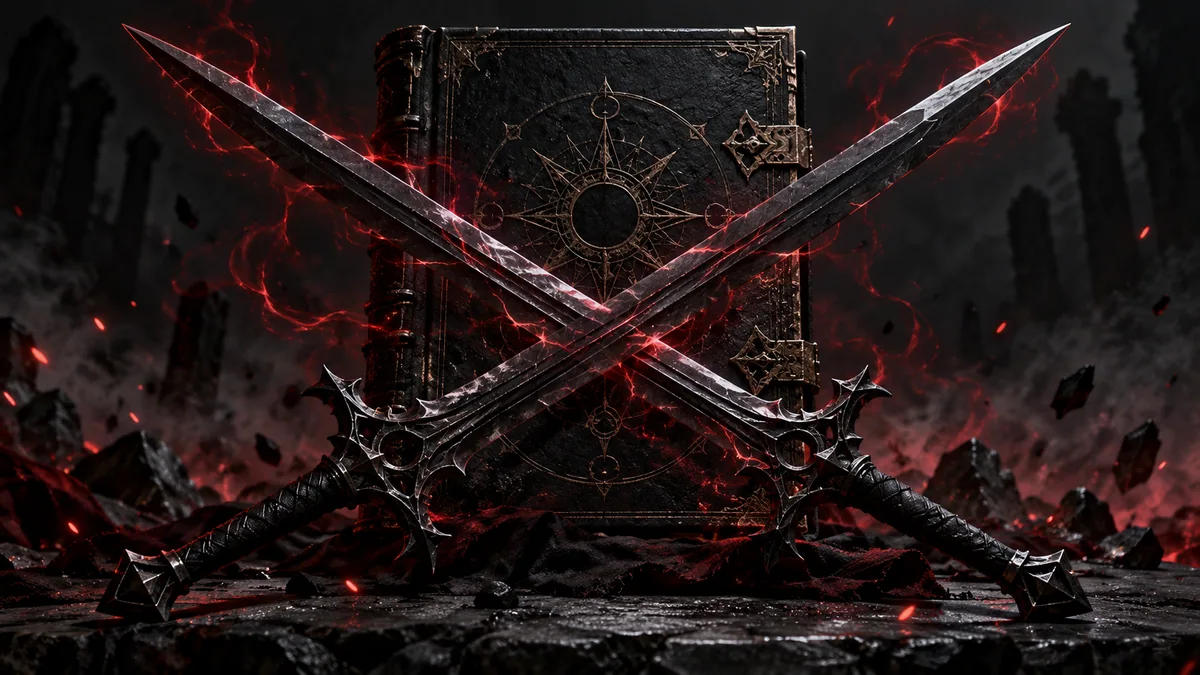
Anti Magic concept illustration.
Read the Anti Magic skill guide for the base sword tools and PC labels.
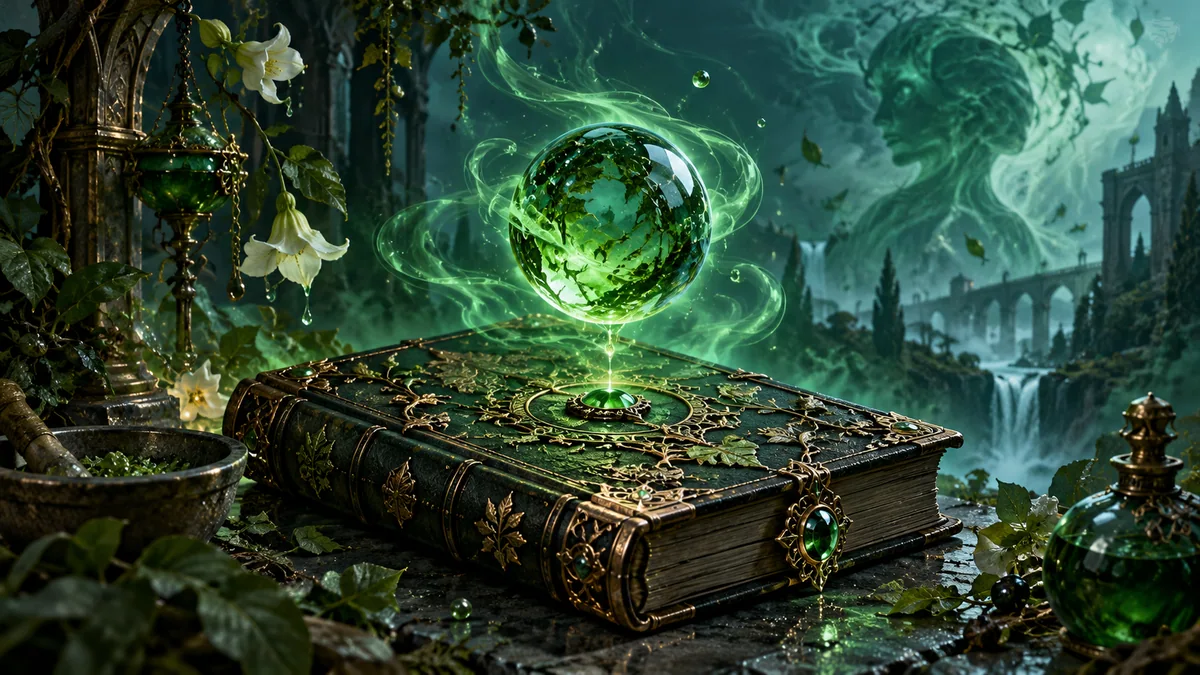
Poison concept illustration.
The Poison ability guide explains why mist placement, an explosion around the user, and clone commands require different positioning decisions.
When should you keep developing your current Grimoire?
Keep practising a useful book while you learn its available moves, reach, and interaction with basic attacks. A different tier becomes relevant when you can explain which tool your current encounters need. Compare base abilities separately from transformations, and consider your character’s mana and regeneration alongside the magic kit you already use.
Use race passives to understand the character side of that decision. Character rerolls change a separate system, so spending Spins does not roll another Grimoire.
Related Articles
guides
Clover Time Discord: Invitation & Identity Checks
Find the readable Clover Time Discord invitation, check its server identity, and distinguish a named community server from confirmed developer ownership.
guides
Clover Time Grimoire Guide: Types, Resources & Next Steps
Browse Clover Time Grimoire types, compare acquisition rarity with PvE roles, and choose between the first-book, ability, and ranking guides.
guides
How to Reroll a Grimoire in Clover Time: Reported Tower Flow
Follow the published Clover Time Grimoire redraw flow, distinguish Crystal Mana from character Spins, and check costs and replacement prompts before confirming.
Was this helpful?
Thanks for the feedback!